
There are moments in history that shake the world so deeply that people remember exactly where they were when it happened. One such moment was on December 26, 2004. I still remember that morning clearly. I was getting ready to go to school when suddenly the ground began to shake. Even though we were miles away from the shore, we could still feel the force of the earthquake. It wasn’t a small tremor; it was strong, unsettling, and something I had never experienced before. In that moment, there was confusion, fear, and a sense that something much bigger was happening beyond what we could see.
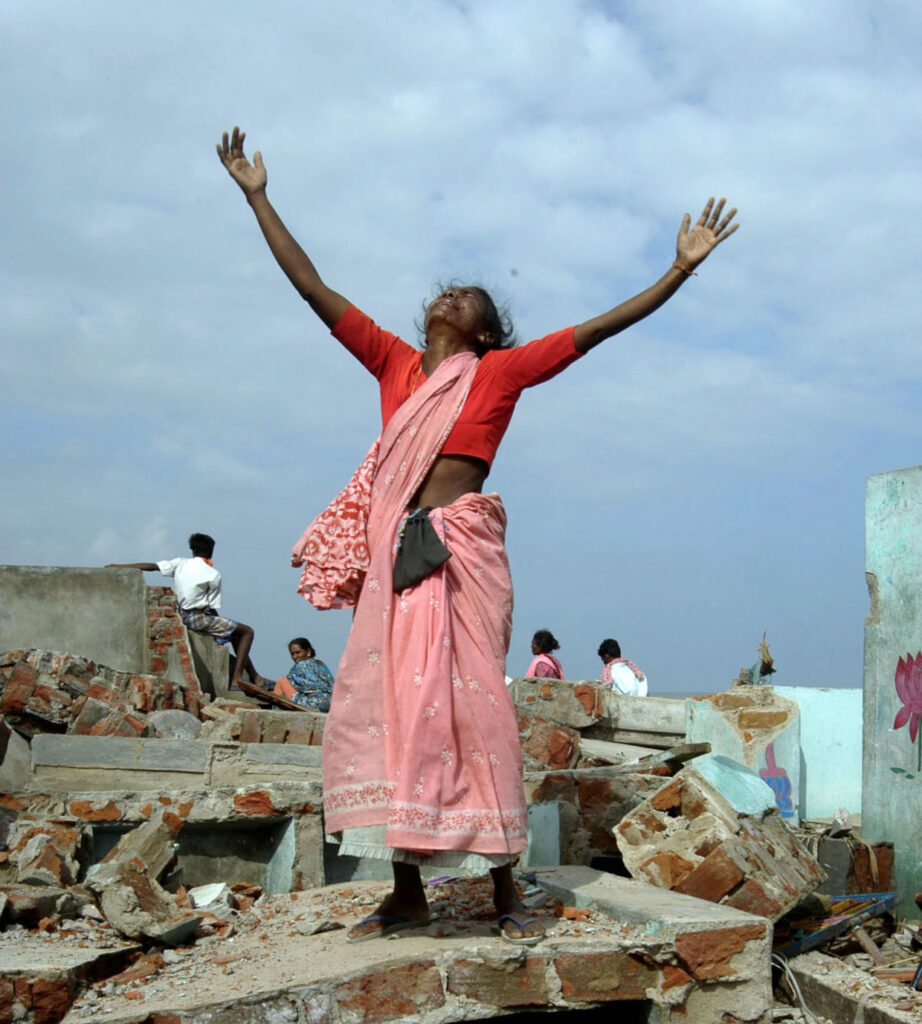
Deep beneath the ocean, along the fault lines between the Burma Plate and the India Plate, something had shifted. The energy released was unimaginable. What followed was not just an earthquake, but a disaster that would change entire nations.
The earthquake, measuring over 9.0 in magnitude, triggered a massive tsunami that rushed toward the shores with terrifying speed. Within hours, entire communities were wiped away. Nearly 230,000 lives were lost.
Families disappeared, homes vanished, and the world stood still in shock. That day did not just leave destruction behind; it changed how we began to see the world.
After that, disasters no longer felt rare. They started to feel frequent, intense, and unpredictable. It began to seem like the earth itself was restless. And if you look around today, that feeling has only grown stronger.
The signs of the times are all around us
Scientists and researchers have been warning us for years that the situation is becoming serious. One report even stated that untold human suffering is unavoidable without urgent action on climate change.” When you pause and think about that, it is not just a statement; it is a reality that is already unfolding around us.
- Ice is melting rapidly across the Arctic, Greenland, and Antarctica, pointing to a deeper imbalance in the natural world. Seasons are no longer behaving as they once did. Spring arrives earlier, winters grow shorter, and the number of freezing days continues to decline. These are not distant scientific observations; they are changes that are quietly shaping the world we live in.
- At the same time, the resources we depend on are becoming fragile. Water, something so basic to life, is turning into a global concern. Billions of people are already living under high water stress, and many still do not have access to clean drinking water. What we once assumed would always be available is slowly becoming uncertain.
- Health is another area where the cracks are beginning to show. Scientists now describe antibiotic resistance as one of the biggest threats to global health, food security, and development. Diseases that were once easily treated are becoming harder to manage, and the systems we trust to protect us are under pressure.
- Then there is the issue of waste. The world is producing garbage at an unimaginable scale, filling landfills and oceans at a rate that is difficult to comprehend. Reports warn that global waste could grow by 70 percent by 2050 unless we take urgent action. This is not just an environmental issue; it reflects how carelessly we often treat the world entrusted to us.
- Economies are unstable, jobs are uncertain, and entire industries are shifting. One global outlook noted that growth has weakened due to tensions and uncertainty across nations. Technology is advancing rapidly, replacing roles that once belonged to people, and reshaping how we live and work. But while all these changes are happening around us, something else is quietly changing within us. Human connection is weakening. Patience feels thinner, relationships break more easily, and even though we are more connected digitally, we are becoming more distant emotionally. Violence continues to rise, and love often feels harder to sustain.
When the signs of the times meet an unprepared heart
This is where the real concern lies. It is not just about what is happening in the world, but what is happening in the human heart. The Bible spoke about times like these long ago. Jesus said there would be unrest, disasters, and confusion, but He also said something important: “See that you are not alarmed.” These things are signs, not the end itself. Yet today, the danger is not that we are afraid, but that we have become used to everything. We scroll past disasters, hear about suffering, and move on. Slowly, without realizing it, our hearts become numb. And when that happens, we stop asking the questions that truly matter. Where is this world heading? What does this mean for my life? Am I ready for what is coming?
There is a powerful thought that says great changes are about to take place in our world, and the final movements will be rapid ones. That is exactly what we are seeing today. Things are not just changing; they are accelerating.
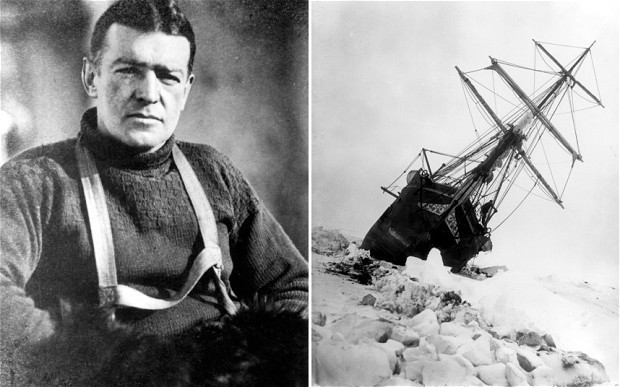
I remember the story of British explorer Ernest Shackleton, who set out on a dangerous expedition to Antarctica. What began as a bold mission soon became a fight for survival when ice trapped his ship and eventually crushed it. The crew endured extreme cold, isolation, and deep uncertainty. One crew member recalled how the ship groaned and trembled under the pressure. Yet in the middle of that fear, Shackleton’s assurance strengthened their confidence: ‘I will come again.” Those simple words gave them hope that he would not leave them behind, and that rescue would surely come.
That picture feels familiar in a different way. Sometimes life feels like that. Pressure builds, things move beyond our control, and we realize how limited we are. But the difference is that we are not left alone in that struggle. In the middle of all this uncertainty, God gives a promise that remains steady. Jesus said, “Let not your hearts be troubled. Believe in God; believe also in Me… I will come again.” That promise changes everything, because it reminds us that no matter how unstable the world becomes, God is still in control.
The real question is not whether the world is changing. The real question is how we are responding to it. Are we becoming more fearful, or are we becoming more faithful? Are we holding on to things that do not matter, or are we focusing on what truly lasts? We do not have time to live carelessly anymore. We do not have time to carry unnecessary hate, pride, or broken relationships. If anything, this is the time to love more deeply, forgive more quickly, and live with purpose.
Time is moving, and the truth is simple. We are not just living in the end times; we are living in the end of the end times. But this is not meant to create fear. It is meant to awaken us, to help us realign our lives, and to draw us closer to God.
Because one day, everything we see now will come to an end. Christ will return, just as He promised. And when that moment comes, the only thing that will matter is whether we are ready to meet Him.
This story is a thread in Anxious
“Casting all your care upon him; for he careth for you.”
1 Peter 5:7 · KJV
Still feeling this? Follow the thread